Osteopathic Practise Isabella Kilian
holistic, individual therapy and support

If your symptoms keep coming back and no one really has the time to get to the root of the cause, you have come to the right place.
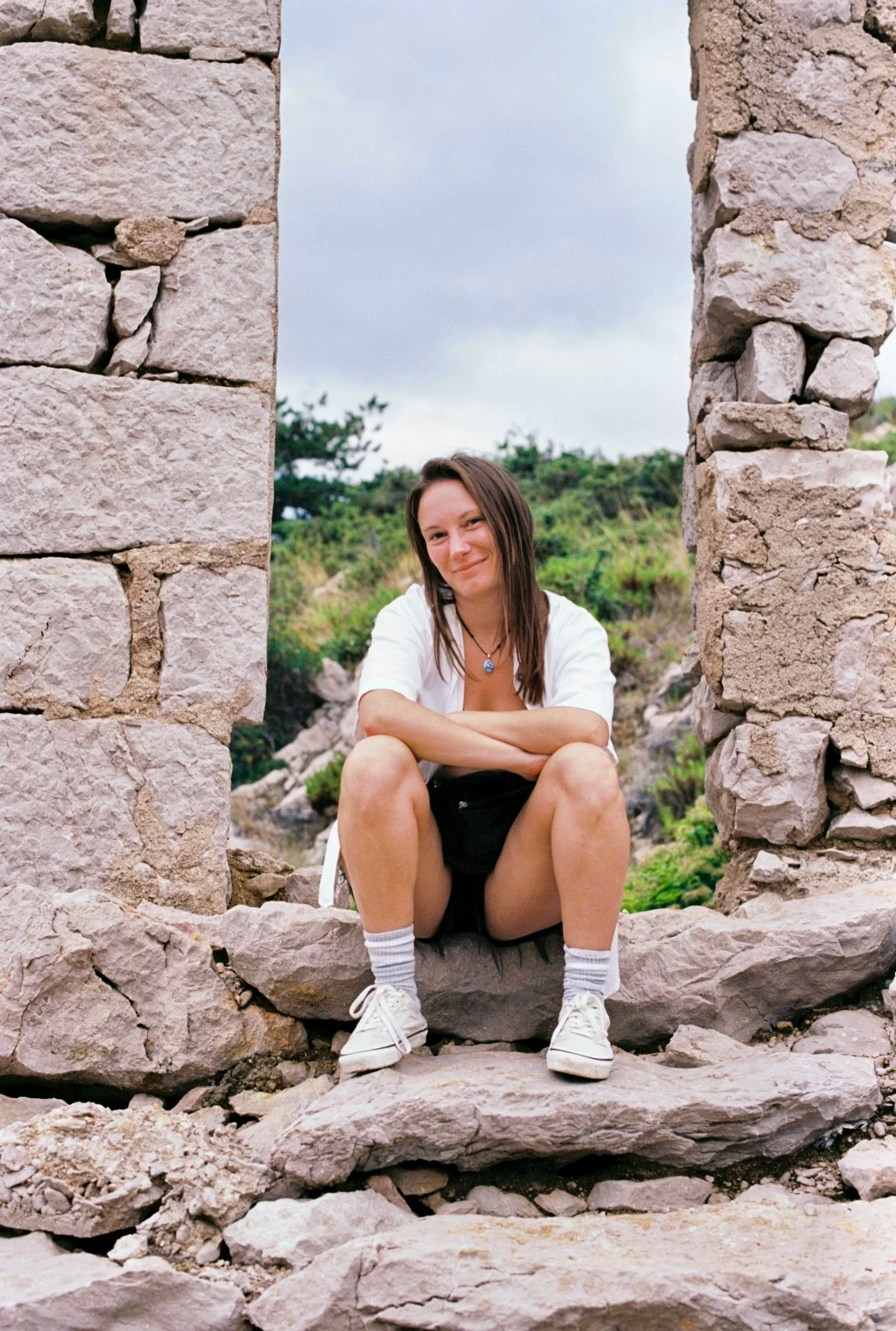
In my osteopathic practice in Munich, we view your body as a whole, take time for your story and look at the factors that may be influencing your symptoms. Because alongside treatment, movement, stress, sleep, and daily habits also play an important role. Together, we will find out what your body needs—through individualized treatment, targeted exercises, and guidance for your daily life. This helps you not only understand your symptoms better but also take an active role in your own well-being.Pillars of my osteopathic practice
I support you with:
-
Back pain can have many causes. Through a targeted examination, we look at where mobility is lacking, where muscle groups are not being activated efficiently and where compensations have developed.
Sometimes the root cause is not in the back itself, but in an immobile hip, a blocked thoracic spine, or within the abdominal and pelvic area.
We examine you while standing, sitting, and on the treatment table and then treat whatever we find during the assessment.
However, as soon as numbness in the legs, signs of paralysis, or problems with urination occur, you should first have the cause medically evaluated by a doctor.
-
Are you suffering from recurring headaches and wondering if osteopathy can support you?
Many sufferers report that after osteopathic treatment, their headaches occur less frequently, last for shorter periods, or are less intense. This can make daily life noticeably easier.
Osteopathy can provide complementary support for headaches and migraines. Using gentle manual techniques, we treat tensions in areas such as the cervical spine, neck muscles, and jaw. The goal is to improve mobility and reduce muscular tension, which can play a role in certain types of headaches.
Migraines cannot be cured by osteopathy. However, the treatment can aim to raise the threshold at which an attack is triggered.
In doing so, we always view osteopathy as a complement to medical or neurological care.
-
Restrictions in mobility can have many causes. Through a targeted examination, we look at where mobility is lacking, which structures are under tension and where the body compensates for these restrictions.
For dancers and athletic individuals in particular, it is crucial to optimally balance mobility, stability and coordination. Thanks to my dance training, I bring a unique understanding of the demands placed on the body, complex movement patterns and the physical strain associated with dancing and sports.
We examine which movements are restricted, how different areas of the body interact, and what underlying factors might be at play. We then specifically treat the areas identified and, if necessary, complement the treatment with individualized exercises so you can improve your mobility and move more freely and efficiently in the long term.
In the case of sudden or severe mobility restrictions—especially after an accident or when accompanied by numbness or a loss of strength—you should first have the cause medically evaluated by a doctor.

-
Do you feel constantly exhausted, struggle to get going in the morning, and find yourself lacking energy even after a full night's sleep?
Chronic fatigue can have many different causes. Alongside physical factors, stress, the regulation of the autonomic nervous system, and emotional strain can also play an important role.
In our osteopathic sessions, I take a holistic approach, considering you as a whole and tailoring the treatment to the individual factors that may be contributing to your symptoms.
Together, we explore individual adjustments that may support you on your journey towards greater energy and well-being.
At the same time, medical assessment to identify any underlying causes remains an important part of the process.

-
Osteopathy can play a supportive role in treating digestive issues by gently addressing tension in the abdominal cavity, diaphragm, and pelvic region.
Core Goals of the Treatment
Promote tissue mobility: Restoring freedom of movement to the fascia and organs involved.
Support bodily systems: Enhancing the natural interplay between breathing, bowel movements (peristalsis), and the autonomic nervous system.
Relieve common symptoms: Potentially easing discomforts such as bloating, constipation, or a feeling of fullness.
Important Notice
Osteopathy is used as a complementary measure for these conditions. It is not a substitute for a thorough medical evaluation by a doctor, especially if your symptoms are persistent, severe, or unexplained.

-
Your body changes in many ways during pregnancy. You might experience a pulling sensation in your lower back, pelvic pain while walking, or find that turning over in bed becomes increasingly uncomfortable. In the third trimester, discomfort in the rib area or heartburn may also occur as your baby grows and space in your abdomen shifts.
These changes are part of a remarkable physical adaptation, but they can make daily life noticeably more difficult.
During pregnancy, your body works hard to adapt to the needs of your growing baby. These changes can put greater strain on certain areas and cause discomfort in everyday life.
In osteopathic treatment, we look at which structures are under the most stress and support their mobility using gentle, manual techniques. The goal is to reduce physical tension and support your body through this unique phase of adaptation. We tailor both the treatment and your positioning individually to your needs and your specific week of pregnancy.
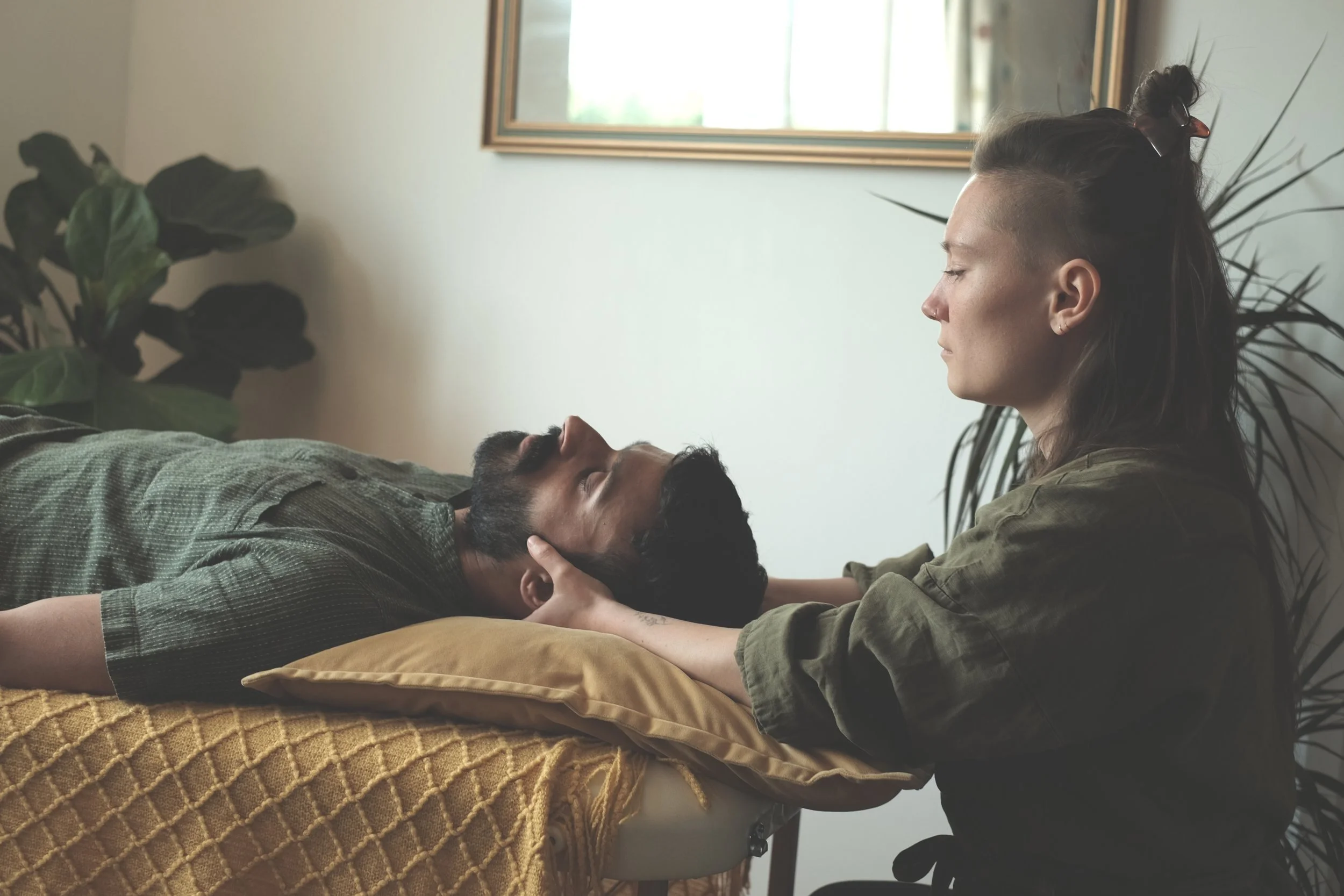
How does a session look?
– What to expect?
We talk about you and your current complaint.
1 - Case history
During your first appointment, we take plenty of time to understand the reason for your visit.

In doing so, we consider physical, psychological, emotional, and lifestyle factors that may be contributing to your concern.
2 - Examination
We examine how your body moves and feels.
I observe how your body moves, how you engage your muscles and use my hands to feel for any blockages.

In this process, we look beyond the symptomatic area. We also consider other parts of the body that might be contributing to your pain—for instance, as a result of compensations or postural patterns.
I provide treatment and advice to you..
3 - Treatment
We treat what we find and work at the level where your body needs support. Treatment methods include gentle to more direct osteopathic techniques, as well as exercises to strengthen and mobilise your tissues. We also take the time to help you understand what is happening in your body and how you can work with it.
Nothing is done without your consent, and we check in with you throughout the process. You can shape the space in whatever way feels right for you in the moment — talking, not talking, feeling, asking questions, or simply being.
When we experience pain, we are often driven by the fear of doing something wrong or causing ourselves further harm. Yet I believe that by building a positive relationship with our bodies, we can gradually develop greater trust and learn to listen to the signals our bodies are sending us.
Alongside hands-on therapy, I place great importance on taking a holistic approach to your concerns. This means considering the different aspects of your life that may influence your well-being, including your lifestyle, nutrition, movement, and the beliefs and perceptions you hold about your body.
My goal is to empower you to trust in your own abilities and support you in returning to all the things that bring you joy in life.
My aim is to empower you to take an active role in your own healing.
– My approach

Booking
Appointments are available by prior arrangement only.
If I am unavailable, please leave a message, and I will get back to you promptly. In the event of an acute issue, please call or send me a brief message, and I will do my best to find an appointment for you on short notice.
Payment for your treatment is made by invoice and bank transfer.
Treatments are billed according to the German Scale of Fees for Alternative Practitioners (Gebührenverzeichnis für Heilpraktiker, GebüH). The cost depends on the nature and duration of the treatment and is generally between €90 and €150 per session.
Private health insurance providers and Beihilfe (the German civil service assistance scheme) generally reimburse the full cost or a substantial portion of the treatment.
Some statutory health insurance providers also cover part of the treatment costs. In most cases, a doctor's referral is required before your first appointment. You can find an overview here of statutory health insurance providers that offer partial reimbursement for osteopathic treatment.
Private providers and some statutory health insurance companies also offer supplementary insurance for alternative practitioner treatments, which may cover the costs. Your health insurance provider can give you more information about the available options.
If you have any questions regarding reimbursement, please contact your insurance provider before your first appointment.
Costs
